




The FAA has adopted a fuel-tank sealant inspection requirement for certain Boeing 787-8, 787-9 and 787-10 aircraft. AD 2026-22-05, in the Federal Register document dated November 2, takes effect on December 7, 2026.
Why the FAA requires the checks
The regulator says some sealant installations inside the center wing fuel tank did not receive required visual and adhesion inspections during production. The concern is whether defects could leave a potential ignition source inside the tank during a lightning strike.
The rule requires detailed inspections of specified sealant installations, adhesion testing and corrective action where needed. This is a requirement for the aircraft identified by the directive; the document does not establish that every Dreamliner is affected.
Which aircraft and deadlines apply?
Operators must check applicability against Boeing Alert Requirements Bulletin B787-81205-SB570053-00 RB, Issue 001, dated November 5, 2025. December 7 is the effective date, rather than a single deadline for every inspection. The referenced bulletin and the directive’s exceptions determine the applicable compliance times.
The FAA estimates that 60 U.S.-registered aircraft are covered. Its estimate of $2,890 per aircraft covers inspection and testing; it does not provide a definitive estimate for repairs that an inspection might make necessary.
What changed during rulemaking?
The final rule follows a proposal published on February 24, 2026. Responding to comments, the FAA allowed certain sealant repairs that meet the specified airworthiness limitations. It also says it confirmed that required sealant inspections are being performed during production on aircraft outside this directive’s applicability.
Operators should use the final regulatory text and incorporated maintenance material to plan compliance. The article does not identify a particular airline or pictured airframe as affected.
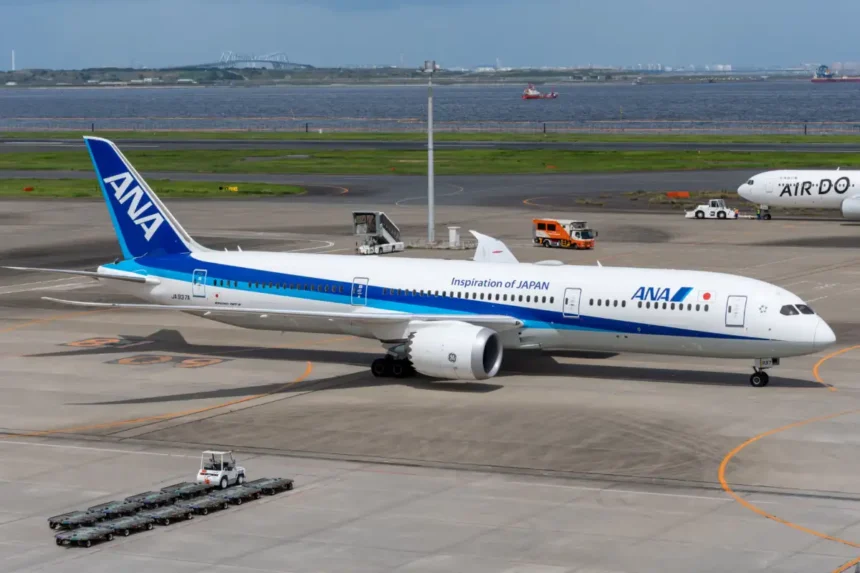
Archive illustration: ANA Boeing 787-9 JA937A at Tokyo Haneda, August 27, 2023. The photograph illustrates the aircraft type and does not document this inspection or identify an affected aircraft.
Related: the FAA has also issued a separate Boeing 747 fuel-tank pump directive, addressing a different component and inspection requirement.