




Canada’s Transportation Safety Board closed its investigation into the fatal Quebec R44 crash with its cause unresolved. Its report was released October 28, 2026.
What investigators could not establish
Fire destroyed much of the flight-control system. Investigators could neither confirm nor exclude an in-flight mechanical failure. The unusual noise reported by witnesses remained unexplained. Weather was not considered a factor.
The TSB says the coroner considered the pilot under the influence of alcohol. However, the TSB could not establish a correlation between blood-alcohol concentration and pilot performance, or determine the trigger for the manoeuvre.
The September 2025 accident
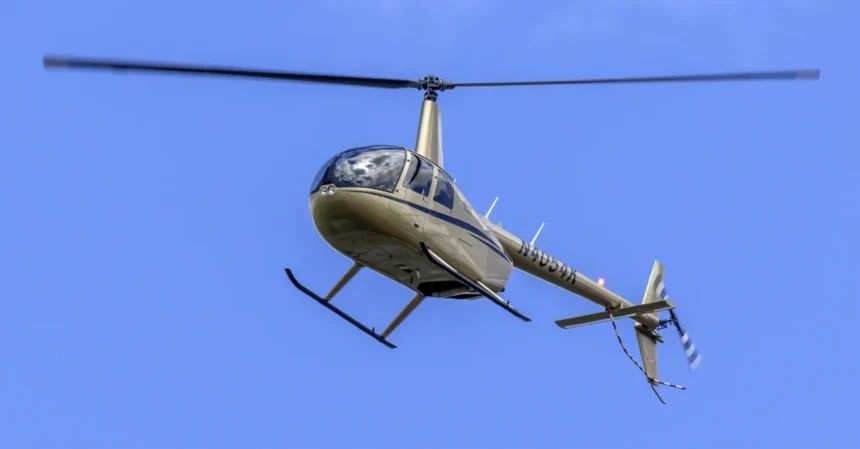
The privately registered R44 Raven II, C-GMSL, crashed near Saint-Séverin on September 21, 2025, after dropping off a passenger at Sainte-Marie. The pilot, then alone, died; a post-impact fire destroyed the helicopter.
The report discusses similarities with low-G right-roll events. That is not a confirmed explanation for this crash.
Manufacturer guidance and a separate investigation
Robinson’s Safety Notice SN-11, revised July 2025, warns that low-G flight reduces rotor thrust and control effectiveness. It describes rapid rolling and mast-bumping risks, and cautions even experienced pilots against demonstrating or experimenting with low-G manoeuvres.
The notice distinguishes earlier asymmetrical horizontal stabilizers from later symmetrical versions. Its warnings continue to apply with either design. Pilots should use the aircraft’s applicable manuals and qualified instruction for operational guidance.
An ATSB investigation published in 2025 examined a different accident: an R66 near Hawks Nest, Australia, on October 26, 2023. The ATSB linked that aircraft’s in-flight breakup to a turbulence-induced low-G sequence and encouraged the symmetrical-stabilizer modification. Its accompanying video analysis concerns that R66, not C-GMSL.
That separate case helps explain why investigators examine low-G hazards; it does not resolve the Canadian report’s unanswered questions.
More: Canada aviation coverage.