





Last updated: November 17, 2026.
Caribbean Airlines has become the latest airline to confirm that passenger booking data was exposed in the breach at Amadeus, the Spanish company whose reservation systems are used by hundreds of airlines. The airline said on Sunday, November 15, that an unauthorized party had reached booking and travel information, and that preliminary information from Amadeus suggests payment card data was not accessed. At least a dozen airlines in Asia, Europe, Australia and the Caribbean have now disclosed exposure. This page brings together what each has said and what passengers should do.
What happened
Amadeus says a vulnerability affected a display environment for travel bookings, through which certain booking data could be reached. Airline notices give the access window as August 2023 to September 2026 (10 August 2023 to 23 September 2026 in the Japan Airlines, ANA and Thai Airways notices). Amadeus says it became aware of the vulnerability on September 21; ANA says the unauthorized access was detected on September 24. Cathay Pacific and Asiana say the access used login credentials assigned to a system account at Amadeus.
Amadeus says there is no evidence that payment or financial data was accessed and no sign of ransomware. It says it has fixed the vulnerability, revoked the credentials and strengthened monitoring. None of the airlines says its own systems were breached.
Airlines affected
Each airline counts in its own way (bookings, passengers or records), so the figures below can’t be added together.
| Airline | Disclosed | Scale | Data involved |
|---|---|---|---|
| Japan Airlines and JTA | Oct 28 | About 92,000 records | Mostly name, booking number, flight date, route, cabin. About 2,000 also email, phone, passport and frequent flyer numbers. Our report |
| ANA | Oct 30 | About 37,800 customers | Mostly name, booking reference, travel date, route. About 1,700 also contact and passport details |
| Cathay Pacific | Oct 30 | About 53,000 bookings | Mostly booking references, names, flight details; a smaller group also contact and travel-document details. Our report |
| Malaysia Airlines | Oct 31 | Not given | “Certain customer information”. Our report |
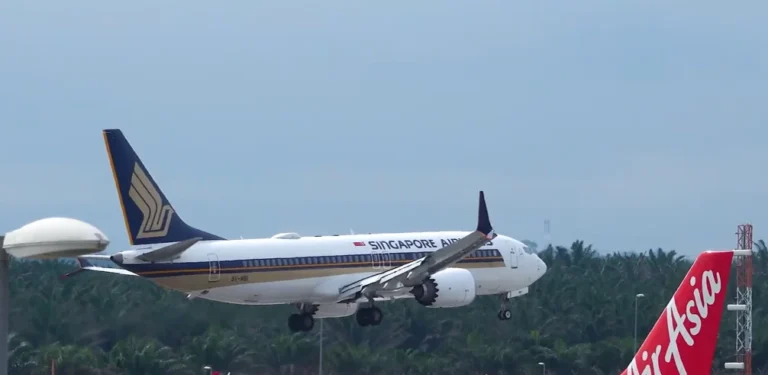
| Singapore Airlines | Nov 3 | About 46,000 records | Names, booking references, itineraries; about 620 also contact, travel-document or KrisFlyer details. Our report |
| Thai Airways | Nov 9 | About 60,500 records | Names, booking references, travel dates, routes; about 376 may also include contact or passport details |
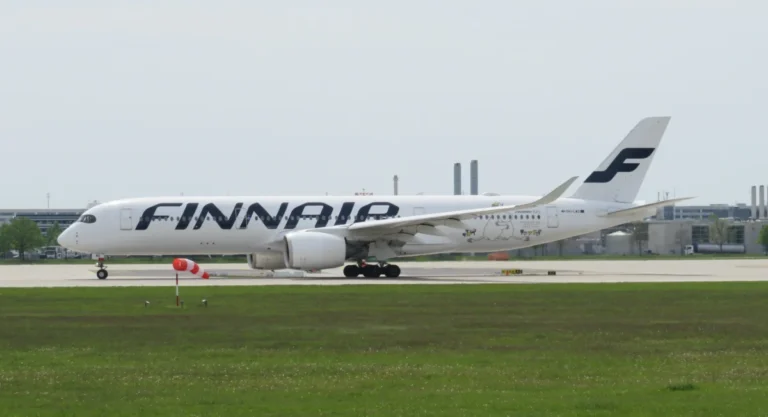
| Finnair | Nov 9 | About 116,000 bookings on affected flight lists; about 750 opened | Flight-list data. Our report |
| SAS | Reported Nov 10 | About 350,000 travellers (Swedish press) | Mostly booking numbers, travel dates, flight details. SAS judged the risk low and is not notifying individuals |
| Korean Air and Asiana | Oct 23 | Not given | Reservation data |
| Norwegian | Not stated | Not given | Reported to Norway’s data protection authority |
| Qantas | By Nov 2 | Not given | Still assessing; says its own systems were not affected |
| Caribbean Airlines | Nov 15 | Not given | “Booking or travel data”; notifying affected customers |
Regulators in Singapore and Hong Kong have opened investigations. Airlines have also notified authorities in Japan, Finland, Sweden, Norway, Australia and Thailand.
Why a booking reference matters
For most passengers the exposed data is a name, booking reference, travel dates and route. That isn’t enough to steal money directly, but it makes scam messages far more convincing: a fake email that quotes your real flight and booking code looks genuine. With a booking reference and surname, someone can also open a booking on many airline websites.
What to do
- Treat unexpected messages as suspect. Be wary of emails, texts or calls about refunds, “verification” or changes to your booking. Go to the airline’s app or type its web address yourself.
- Know what a real notice looks like. Airlines say they will contact affected customers directly. A genuine notice won’t ask for your password, card number or a payment.
- Check upcoming trips. Log in on the airline’s own site and confirm your flights, seats and contact details haven’t changed.
- Secure frequent flyer accounts. Use a unique password, turn on two-step login if offered, and look for redemptions you didn’t make.
- If passport details were involved, watch for unexpected credit applications in your name, and consider a fraud alert where your country offers one.
- Don’t post boarding passes online. The barcode contains your booking reference.
No airline has advised passengers to cancel their payment cards.
Sources
- Travelers Today: Caribbean Airlines confirms Amadeus breach, November 16, 2026
- Safeguard: Amadeus airline breach timeline and airline notices
- Australian Aviation: Qantas statement, November 2, 2026
Archive: Berlin Brandenburg Airport Terminal 1, March 2026; general context. Photo: Roy Zuo via Wikimedia Commons, CC BY-SA 4.0.