





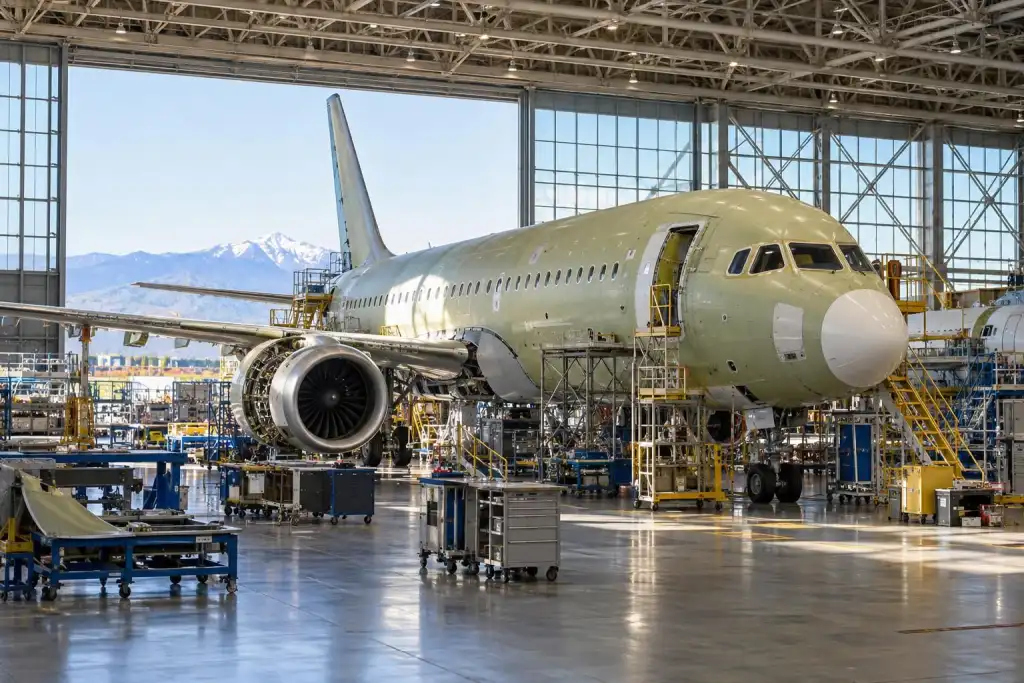
The Turkish Airlines 737 MAX order covers a firm purchase for 100 737-8 aircraft, with options for 50 additional 737 MAX jets. The agreement concludes discussions initiated in 2025 and includes substitution rights for the larger 737-10, as the airline plans to strengthen its short- and medium-haul network.
- Is this a firm order for 150 jets?
- 100 737-8s, plus options for 50 more
- A fleet investment for Istanbul-based operations
- The order adds to Turkish Airlines’ Boeing fleet
- Separate from the 2025 787 agreement
- Boeing’s efficiency claim and industrial participation
- Airline background figures in the announcement
Is this a firm order for 150 jets?
No. The announced commitment is 100 aircraft, with options for 50 more. Options allow additional purchases but should not be counted as delivered aircraft or an already-confirmed 150-jet fleet expansion. Substitution rights for the 737-10 also do not mean Turkish Airlines has announced how many of that model it will take.
Fleet purchases and maintenance programs answer different questions. For an example of how existing MAX aircraft are supported, see Boeing and American’s first 737 MAX landing gear exchange.
100 737-8s, plus options for 50 more
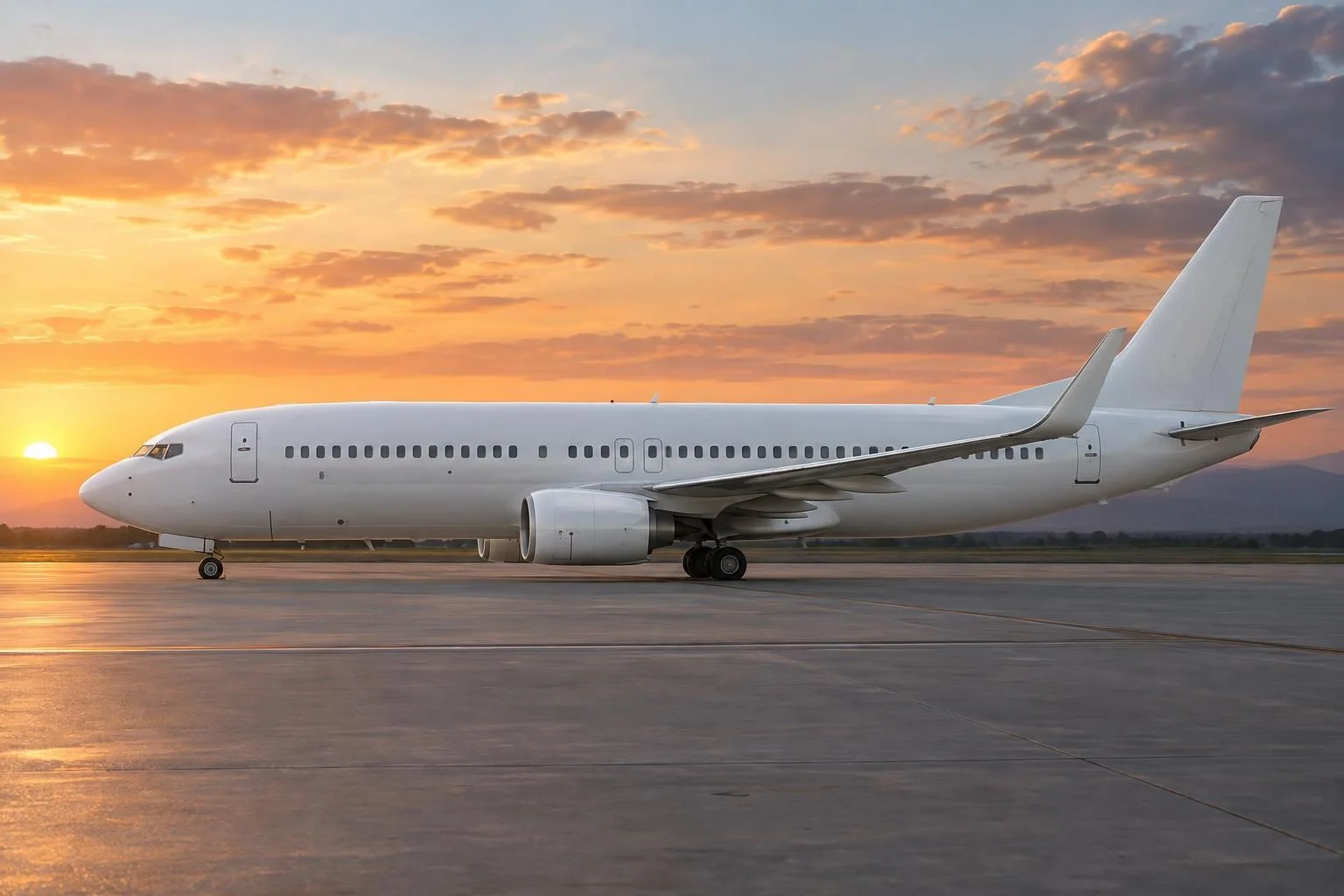
The finalized agreement covers 100 Boeing 737-8 airplanes and options for 50 additional 737 MAX jets. Turkish Airlines called it the largest Boeing single-aisle order in its history. The agreement was finalized in the presence of Recep Tayyip Erdoğan, president of the Republic of Türkiye.
The contract includes substitution rights for the 737-10, the largest variant in the 737 MAX family. That provision gives the airline the option to choose the larger model under the agreement, but the announcement does not say how many aircraft, if any, it may substitute. The 100 737-8s are the firm purchase; the additional 50 are options, not confirmed aircraft orders.
Boeing said the agreement concludes discussions that began in 2025. The announcement does not provide a purchase price, delivery dates or an aircraft handover schedule.
A fleet investment for Istanbul-based operations

Turkish Airlines says the 737 MAX aircraft will strengthen its short- and medium-haul network. Prof Murat Şeker, the airline’s chairman of the board and executive committee, said the aircraft would bring more efficiency and flexibility to its operations from Istanbul, and described the agreement as support for Türkiye’s aviation ecosystem.
The airline says it expects to use the 737-8’s range, payload flexibility and fuel efficiency on high-demand domestic and international routes. It did not identify specific routes or say when the aircraft would enter service. The announcement therefore describes the intended role of the jets, not a published schedule or a confirmed expansion on particular routes.
The order adds to Turkish Airlines’ Boeing fleet
Turkish Airlines, including AJet, already operates more than 200 Boeing airplanes, according to the announcement. The listed types are the 737 MAX, 787 Dreamliner, 777, 737 Next-Generation and 777 Freighter. Boeing’s announcement does not break down how many of those aircraft are operated by Turkish Airlines versus AJet, or provide model-by-model fleet totals.
Stephanie Pope, president and CEO of Boeing Commercial Airplanes, characterized the order as part of the companies’ long-standing partnership. She said Boeing would continue to support Turkish Airlines as it grows its Istanbul-based network and connects people and destinations. Her remarks describe Boeing’s stated role and the airline’s growth plans; they do not add specific routes or operational dates.
Separate from the 2025 787 agreement
The new single-aisle order follows Turkish Airlines’ 2025 order for up to 75 Boeing 787 Dreamliners. Boeing described that earlier widebody purchase as part of the carrier’s investment in fleet and network expansion. It is separate from the 737 MAX agreement, and the announcement provides no combined delivery timeline or revised plan for either order.
Boeing’s efficiency claim and industrial participation
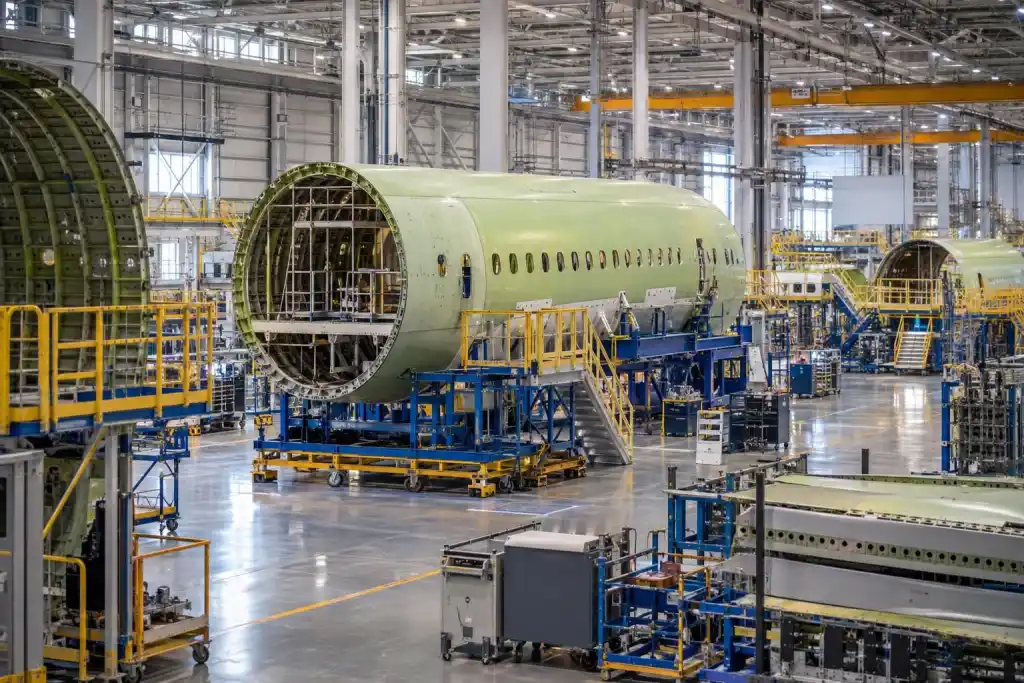
Boeing says the 737 MAX family reduces fuel use and emissions by 20% compared with the airplanes it replaces. The announcement presents this as a family-level comparison; it does not identify which aircraft Turkish Airlines will replace or provide an operator-specific estimate for the new order.
The agreement also includes industrial participation, with Boeing continuing its support for Türkiye’s aviation ecosystem. The announcement offers no further information on the work, participating organizations or its scale.
Airline background figures in the announcement
Turkish Airlines’ company background states that it was established in 1933 with a fleet of five aircraft. The airline reports a passenger-and-cargo fleet of 567 aircraft and service to 358 destinations in 133 countries, comprising 305 international and 53 domestic destinations. These are company-provided overall figures, not a list of places the new 737-8s are expected to serve.
Source: Boeing Commercial Airplanes.