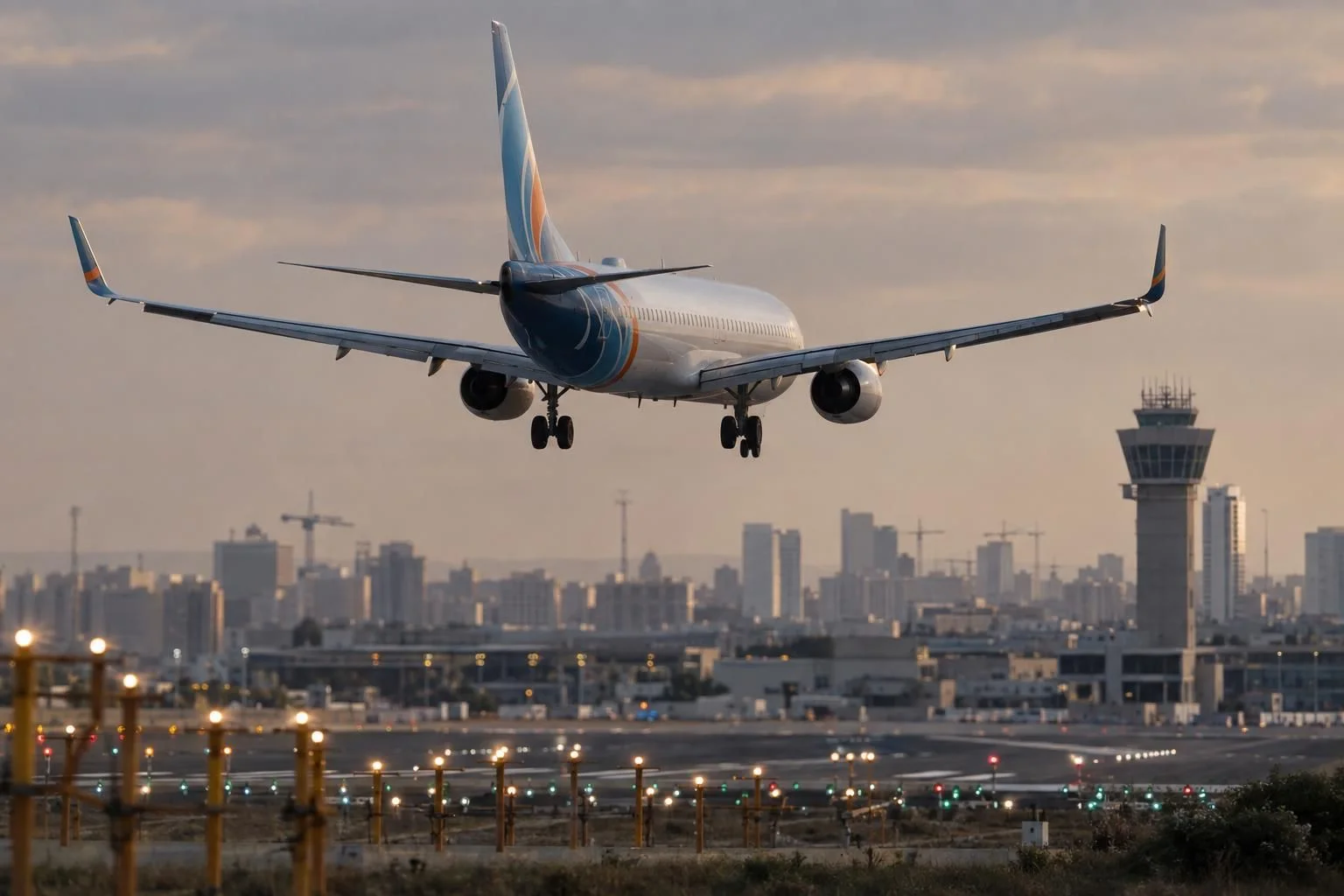






The Guardian reports that a co-pilot attacked the pilot aboard flydubai Flight 1073, a Dubai-to-Tel Aviv flight, and that passengers and two off-duty pilots helped the aircraft land in Tabuk, Saudi Arabia. The co-pilot’s identity and motive were still unknown in the October 2 report, despite Israeli officials’ terrorism claims and experts’ competing assessments.
Passengers and off-duty pilots intervened
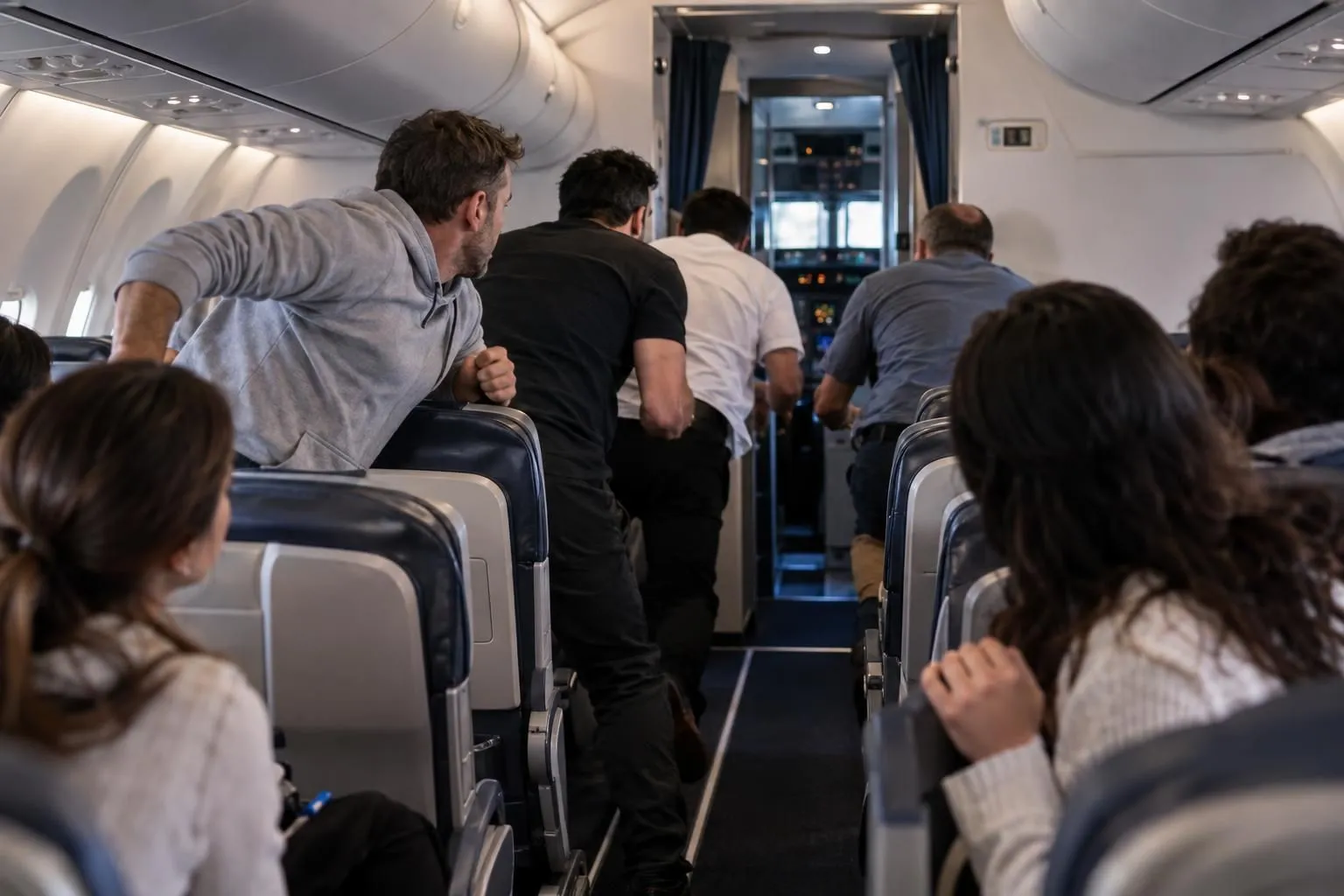
Tali Manes told Israel’s Channel 12 that she heard heavy blows against the cockpit door while travelling with her six-year-old daughter. She said a flight attendant opened the door, revealing a struggle between the badly injured pilot, Smit Machchhar, and the co-pilot, who had a sharp weapon. The report says 182 passengers were aboard.
As the aircraft lost about 16,000 feet in roughly a minute, passengers rushed to the cockpit and overpowered the co-pilot. A plumber helped pull the aircraft out of its dive, according to the account. Two off-duty pilots then took control and guided it to a landing in Tabuk about 90 minutes later. Manes helped restrain the co-pilot with a telephone cord, while a dentist treated Machchhar.
Machchhar, recovering in an Abu Dhabi hospital, told Indian Prime Minister Narendra Modi in a televised video call that he had been “fighting for my life.” The report says he sent an alarm to air traffic control and managed to unlock the cockpit security door. Manes later reached Tel Aviv on an emergency flight, 10 hours after the incident.
Motive and possible links remain unestablished
The co-pilot’s identity had not been disclosed in the report. Regional sources described him as an Omani national who had joined flydubai five to nine months earlier. The Associated Press, citing a source, reported that he had been barred from flying in Oman over concerns about extremist views before joining the airline. These details are attributed reports, not independently established findings in the supplied material.
Israeli Prime Minister Benjamin Netanyahu said investigators had found social-media evidence that the co-pilot wanted to “kill Jews,” and described him as suicidal and the attack as terrorism. The report does not establish the co-pilot’s motive, whether he acted alone, or whether an organization directed him. Terrorism experts quoted by The Guardian questioned whether suicide alone explained the attack; they discussed al-Qaida in the Arabian Peninsula as a possible concern but cited no evidence linking the group to this incident.
The UAE attorney general said on Thursday that investigators were instructed to collect evidence and determine the incident’s circumstances and motives, including whether it was connected to terrorist activity or involved prior planning. The report does not provide the investigation’s outcome.
Security questions raised by the report
The account raises questions about cockpit-door access and screening pilots for serious psychological problems or extremist views. It notes that the ability to lock cockpit doors from inside, a design change made after the September 11 attacks, has long been controversial among experts. It does not establish that the door design caused or enabled the attack.
Experts cited by The Guardian said more rigorous screening could be costly, could leave airlines short of crew and might encourage pilots to hide health problems for fear of being grounded. The report also includes concerns about possible future cyberattacks and malicious uses of artificial intelligence, while noting that experts said an attack need not involve such technology. These are expert assessments, not findings about the Flight 1073 incident.
Source: The Guardian.