




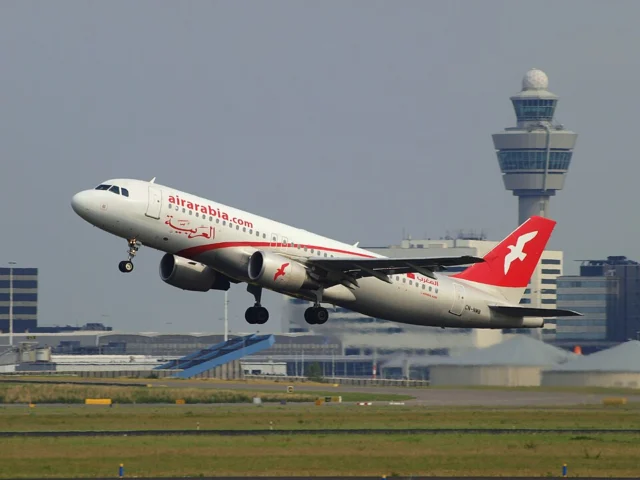
Italy’s ANSV recommends considering an A320-family software retrofit that warns crews when take-off speeds are missing, following its November 6 final report on an Air Arabia Maroc serious incident.
A 2025 flight, newly reported findings
On September 20, 2025, A320 CN-NML departed Catania for Amman on a maintenance positioning flight. Six crew and no passengers were aboard; nobody was injured.
- 21:56 UTC: departure from runway 08.
- 21:57:19 UTC: minimum recorded radio altitude of 41 feet (12.5 metres) over the sea.
- The crew recovered; the aircraft subsequently landed safely in Amman.
Findings and safety action
The report attributes the incident to temporary loss of situational awareness. Likely contributing factors included flight-planning problems, pressure before airport closure, missing speed-entry checks, older warning software, the decision to continue take-off, insufficient monitoring-pilot assertiveness and acceleration-related spatial illusion.
ANSV found no link to the separate November 2025 ELAC directive. Air Arabia Maroc expedited software upgrades and added simulator training. The EASA recommendation is a safety proposal, not a new fleet-wide mandate.
What V-speeds are, and why they matter
Before every take-off, pilots enter three reference speeds into the flight management system: V1 (the last point to abort), VR (when to raise the nose) and V2 (the safe climb speed if an engine fails). These drive the speed markers and automatic callouts the crew rely on. After the flight, investigators calculated speeds of 131, 131 and 133 knots for CN-NML’s weight that night; the preliminary report found they had not been entered.
The software gap
CN-NML had an older flight-management software standard (Release 1A). The newer Release 2 shows a “TO SPEEDS NOT INSERTED” caution when the crew checks the take-off configuration or sets take-off power. According to figures cited in the report, about 53% of the A320-family fleet ANSV considered had the newer standard and about 45% still had Release 1A, which is why the recommendation targets the whole family.
The take-off began at reduced (flex) thrust before the crew selected full take-off/go-around power. Shortly after lift-off, the ground proximity warning system issued a “pull up” alert as the aircraft descended towards the sea.
What happened afterwards
According to the report, Air Arabia Maroc terminated both pilots’ contracts. The aircraft, an A320 built in 2011, was not damaged.
Sources
- FlightGlobal: Air Arabia A320 descended to 41ft above sea
- AeroCorner: ANSV final report on CN-NML
- Aviation24: A320 came within 41 feet of the sea
- Aviation Safety Network: CN-NML serious incident