




A sudden increase in wind lifted several hot-air balloons during a tethered night display in Wangaratta, Victoria, on April 11, injuring two people on the ground. The Australian Transport Safety Bureau’s final report, released November 12, found gaps in weather monitoring and in the way crews assessed the risk of a tether failing.
What happened at the display
The display began at about 7 p.m. local time at Wangaratta Racecourse. About 12 minutes later, wind increased rapidly. One crew member was lifted off the ground while holding onto a balloon and was seriously injured in the fall. A safety officer suffered minor injuries when a second balloon lifted. The second balloon’s restraint failed, and its basket was dragged about 40 metres before the envelope deflated.
What investigators found
The ATSB found that the event meteorologist was not asked to take part in the display, despite a role set out in event procedures. Conditions were not actively monitored once it began, and the event plan lacked clear criteria for stopping. Investigators also found that the restraint that failed likely lacked sufficient breaking strength and should have been retired.
The Australian Ballooning Federation told the ATSB it was developing guidance for future night displays. The ATSB highlighted the value of reviewing forecasts, watching conditions during the display and briefing crews on when to let go if a balloon lifts unexpectedly.
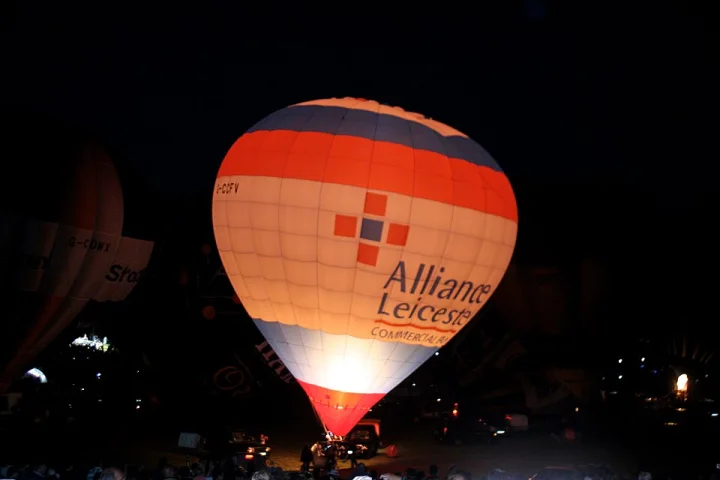
Archive photograph of a balloon night glow at the Bristol Balloon Fiesta in England, August 2006. Photo by Mike Peel via Wikimedia Commons, CC BY-SA 4.0. Full frame resized and converted to WebP under the same licence.